Our Story & Strategy
From a Seed of Faith to a Global Movement
Mercy of God Mission began not in a corporate boardroom, but in the heart of a community grappling with profound need. In 2008, our founder, Laeticia U. Anene (popularly known as Amaka), felt an undeniable calling inspired by her deep Christian faith to respond to the suffering she witnessed firsthand. The vision was simple yet powerful: to create an organization that would act as the hands and feet of Christ, offering tangible help and enduring hope to those who had been overlooked by society. What started as a grassroots initiative in Texas, USA, providing immediate food and educational relief to struggling families, has faithfully evolved into a professional international organization with a global footprint.
Over the years, our understanding of poverty has matured. We learned that while immediate relief is vital for survival, sustainable change requires a long-term view that empowers people to lift themselves out of poverty. Today, MGM is guided by a comprehensive Strategic Blueprint (2025-2030) that sharpens our focus on three strategic goals:
1. Deepening Impact: We are moving beyond simple outputs to measuring deep outcomes using rigorous data analysis and scientific evaluation methods.
2. Partnership-First: We are shifting power to local actors by investing in community-based organizations, believing that local leaders are the best agents of change for their own people.
3. Institutional Resilience: We are ensuring our internal systems—finance, HR, and security—are world-class, enabling us to operate safely and legally in complex, high-risk environments across the globe.
Mission, Faith & Principles
Our Purpose, Our Vision, and Our Promise
- Our Mission
To serve humanity by designing and implementing programs that alleviate poverty, promote justice, and restore dignity to the world's most vulnerable people. We exist to empower the marginalized to reach their full potential through holistic development.
- Our Vision
We envision a world where every individual has the opportunity to live a life of dignity, free from the constraints of poverty and injustice, and where communities are empowered to achieve their full, God-given potential without reliance on external aid.
- Our Faith Motivation
We are unapologetically Christian. Our work is the practical application of the biblical mandate to love our neighbors as ourselves, to seek justice for the oppressed, to care for the sick, and to bring good news to the poor. This faith is not merely a cultural label; it is the engine of our work, inspiring our commitment to excellence, integrity, and sacrificial service. We believe that every person is created in the image of God and therefore possesses inherent worth and dignity that must be honored.
- Our Policy of Impartiality (The "Red Line")
We make a critical distinction between our motivation (faith) and our service delivery (impartiality). We solemnly promise that all Mercy of God Mission aid is provided based on need alone, without regard to race, religion, ethnicity, gender, or political beliefs. We strictly prohibit proselytism as a condition of aid. We never require beneficiaries to participate in religious activities to receive food, medical care, or education. This principled approach allows us to work in diverse religious contexts and maintain the trust of all community members.
Our Team & Governance
Leadership Committed to Service and Stewardship
The strength of Mercy of God Mission lies in its people. Our global team combines passionate faith with high-level professional expertise in international development, finance, and program management. We are led by a diverse group of professionals who are united by a shared calling to serve the vulnerable with excellence.
Executive Leadership
Laeticia U. Anene : Founder & Executive Director
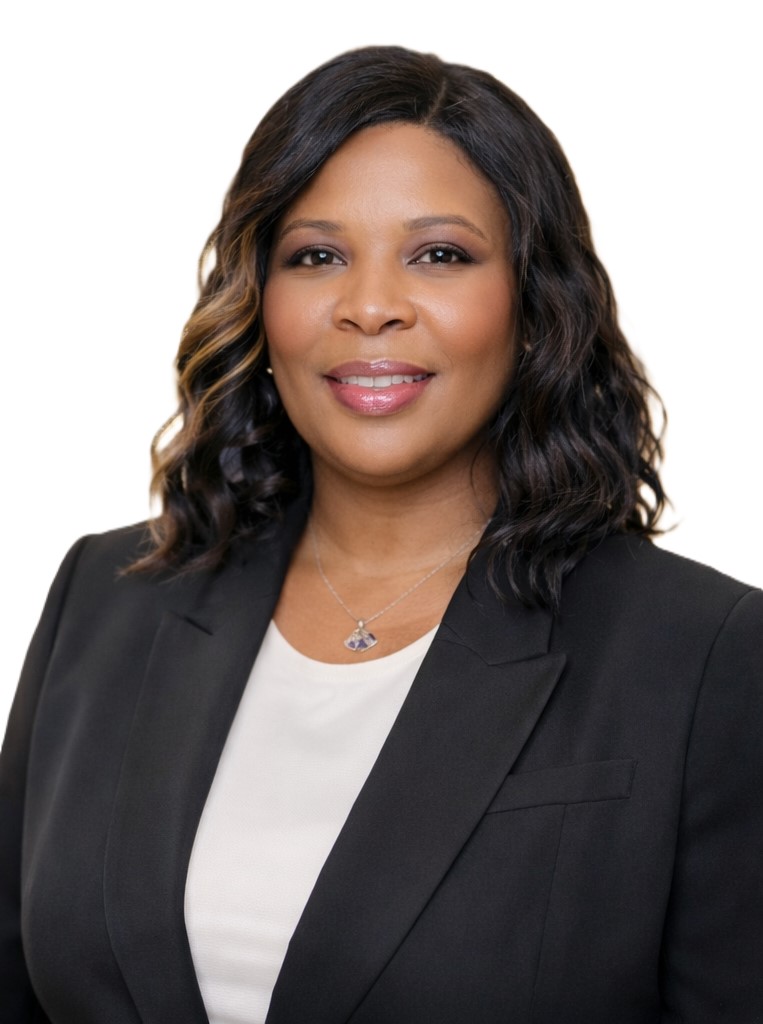
Laeticia provides the spiritual and strategic "true north" for MGM. With extensive experience in grassroots mobilization and community development, she ensures the organization remains true to its founding vision while pushing for global expansion. She champions our culture of compassion and is the primary advocate for the vulnerable communities we serve. Her leadership focuses on maintaining the spiritual health of the organization while driving it toward ambitious growth and professional maturity.
Ebenezer O. Anene : Secretary & Director of Operations

Ebenezer is the guardian of our operational integrity. He oversees the core support functions—Finance, Logistics, Human Resources, and Compliance—that enable our programs to function effectively. His leadership ensures that our passion is matched by discipline, legal compliance, and rigorous administrative systems. He is responsible for ensuring that MGM meets the highest standards of donor compliance and operational efficiency.
Souleymane Moussa : Advisory Board Deputy Director, Strategic Partnerships & International Programs
 Souleymane Moussa is a seasoned international development expert who serves as the critical bridge between our governance body and our global operations. With over 25 years of high-level experience managing complex, multi-country programs across Sub-Saharan Africa, the Middle East, and Asia, he brings deep technical expertise in food security, education in emergencies, Information Technology for Development, Peacekeeping, Peace Building; and humanitarian response.
Board of Directors
MGM is governed by an independent Board of Directors that provides fiduciary oversight and strategic counsel. The Board ensures we adhere to our Governance Charter, maintaining the highest standards of legal and ethical compliance. They approve budgets, review audit reports, and evaluate the Executive Director.
- Laeticia U. Anene , Chair
- Ebenezer O. Anene, Vice-Chair
- Patrick C. Onyiah, Treasurer
Financial Accountability
A Commitment to Radical Stewardship
We view every donation as a sacred trust. Whether it comes from an individual donor or a large government grant, we are obligated to manage those funds with absolute integrity. To honor that trust, we have established a Financial Management Policy Manual that governs every transaction, ensuring robust internal controls, segregation of duties, and clear audit trails.
Our Pillars of Financial Integrity:
- Independent Audits: We undergo annual rigorous audits by certified, independent public accounting firms in accordance with Generally Accepted Accounting Principles (GAAP). These audits are made available to the public to verify our financial health.
- Board Oversight: Our Board of Directors' Finance & Audit Committee provides expert, independent oversight of our financial reporting, internal controls, and risk management framework, ensuring checks and balances are in place.
- Value for Money: Our Logistics and Procurement Policy ensures that we achieve the best possible value for every dollar spent through competitive bidding and transparent vendor selection processes.
- Anti-Fraud: We strictly enforce a board-approved Anti-Fraud and Anti-Corruption Policy. We have confidential whistleblowing channels available to staff and beneficiaries, and we investigate all irregularities to protect the resources intended for the poor.
Downloads:
- 2023 Annual Report
- IRS Form 990
- 501(c)(3) Determination Letter
- Anti-Fraud Policy Summary